
Title: Debanuj (2026)
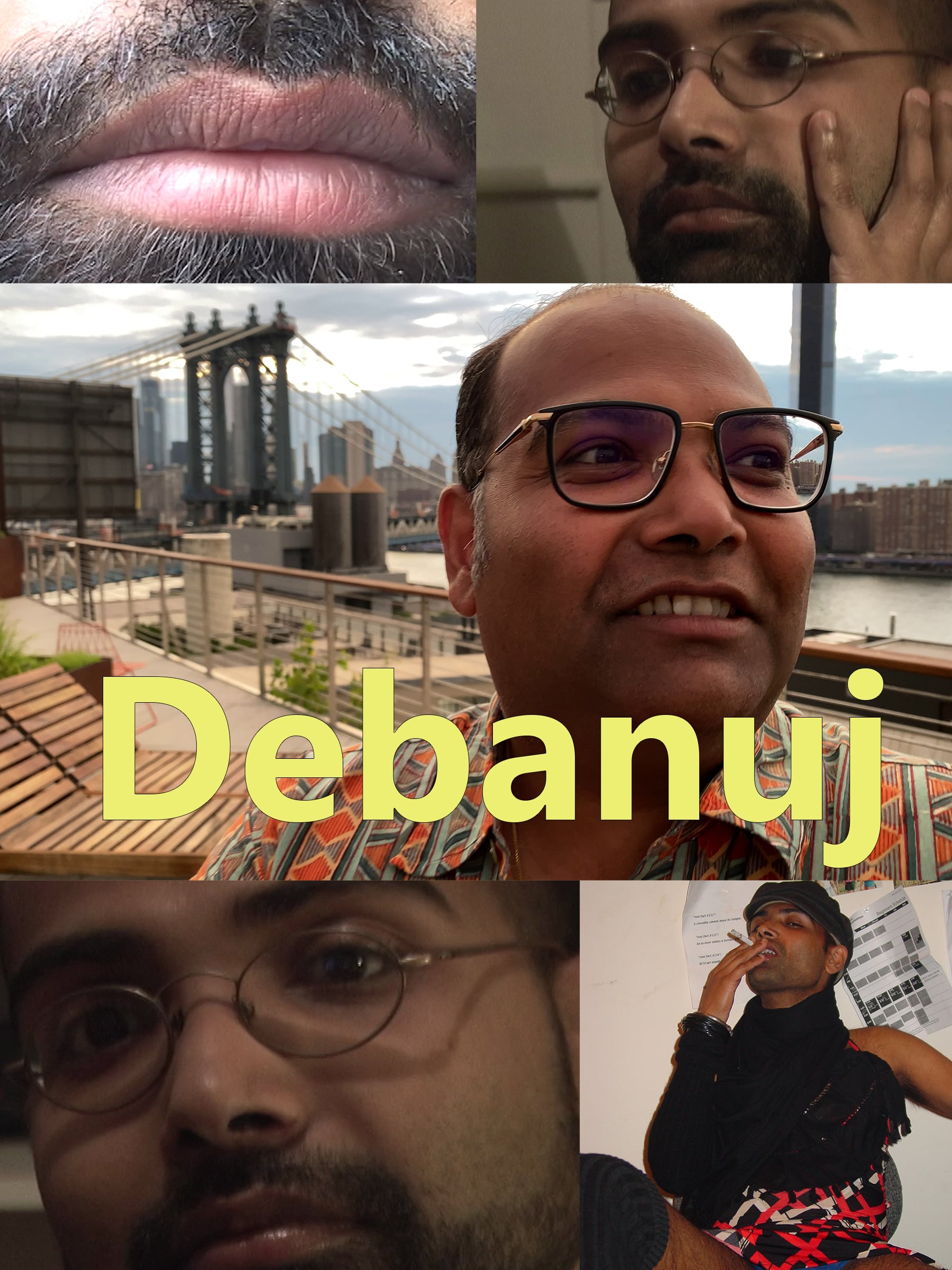
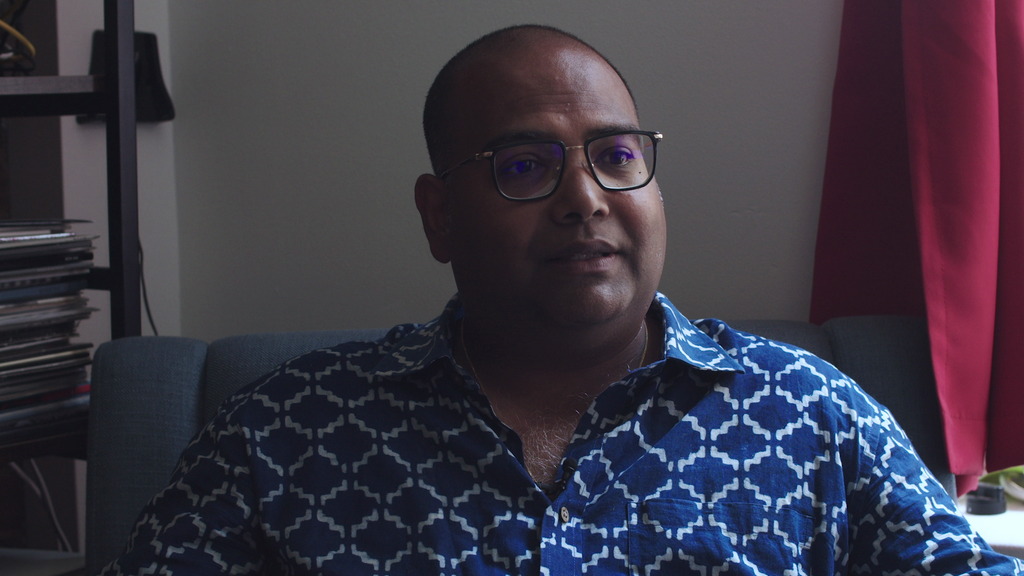
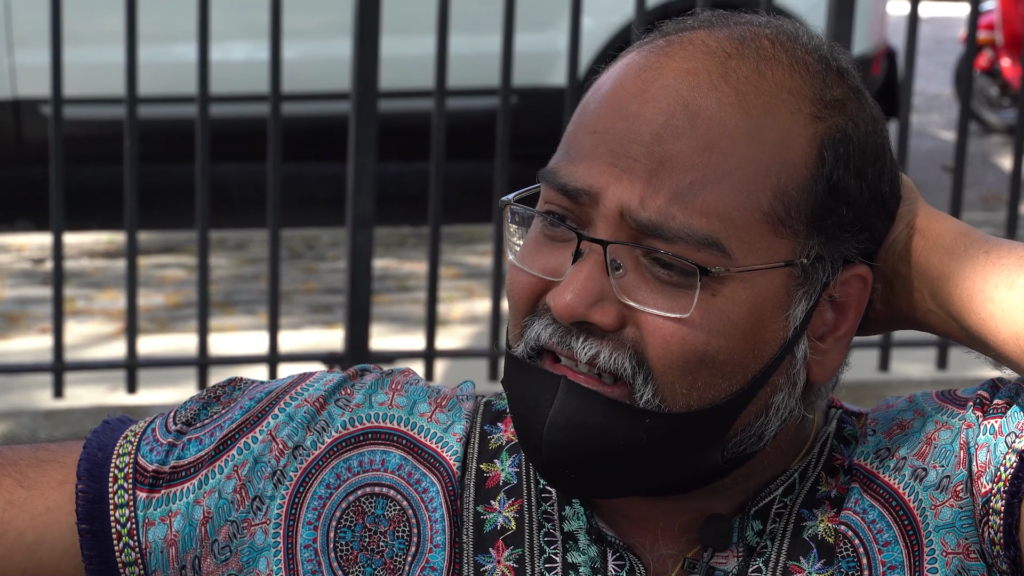
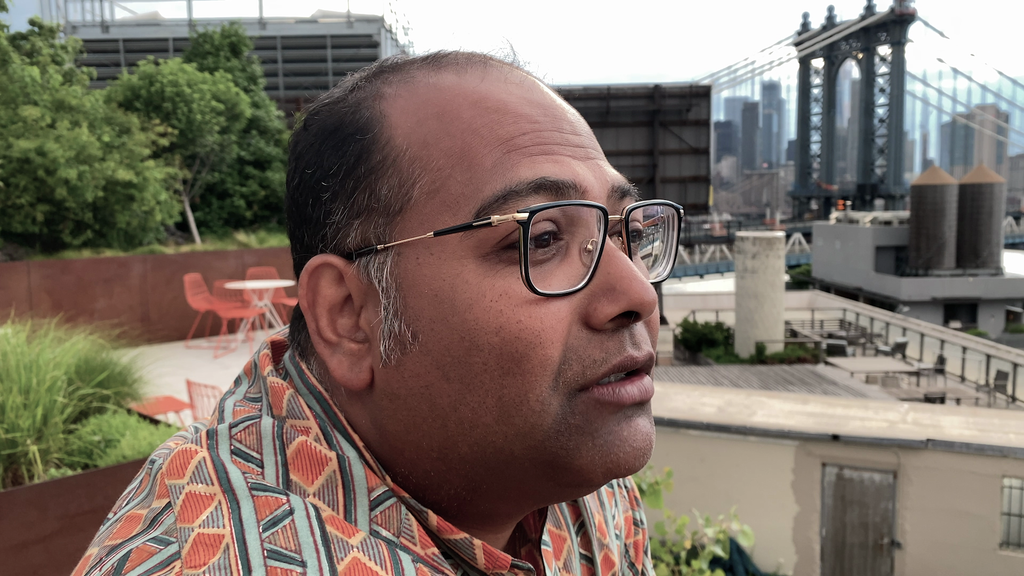
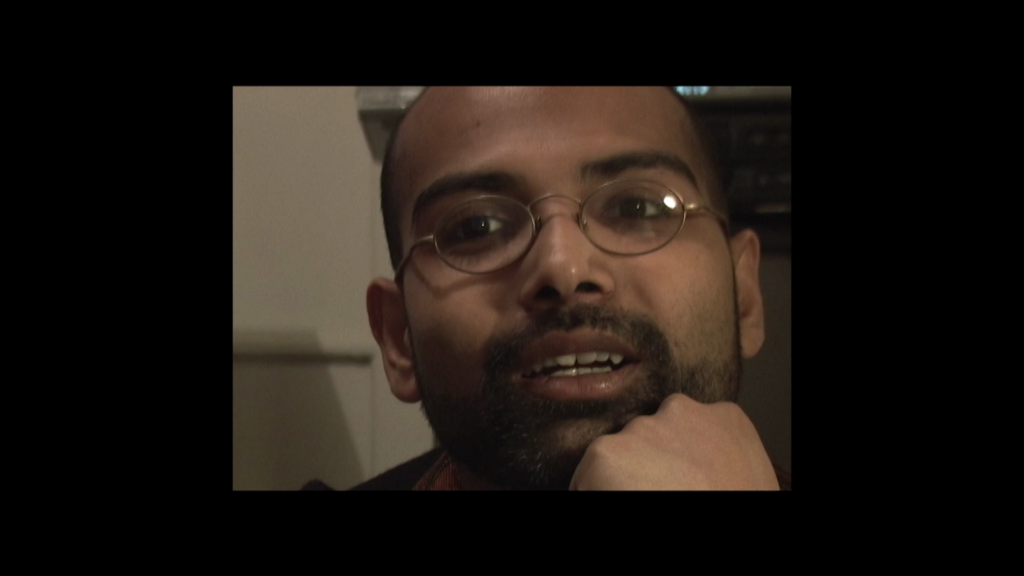
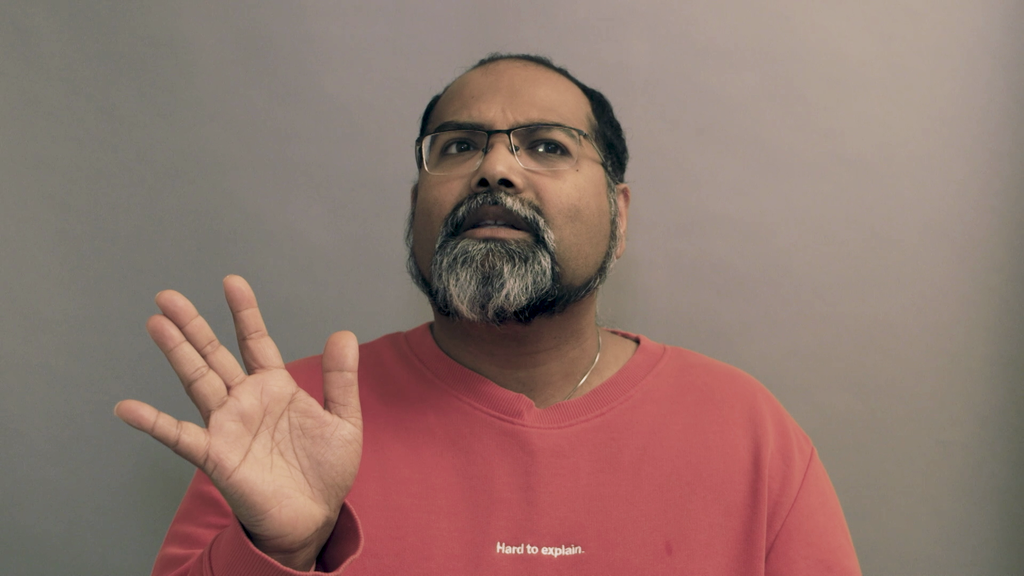
Shot over nearly two decades, from 2005 to 2024, this 19-minute experimental documentary stitches together years of footage into a portrait of friendship, survival and the city that shaped both. Its subject is Debanuj Dasgupta, today a renowned professor and respected LGBTQIA+ historian, and its filmmaker is Rodrigo Brando, a Brazilian-born artist who moved From Rio de Janeiro to New York City just days before September 11, 2001.
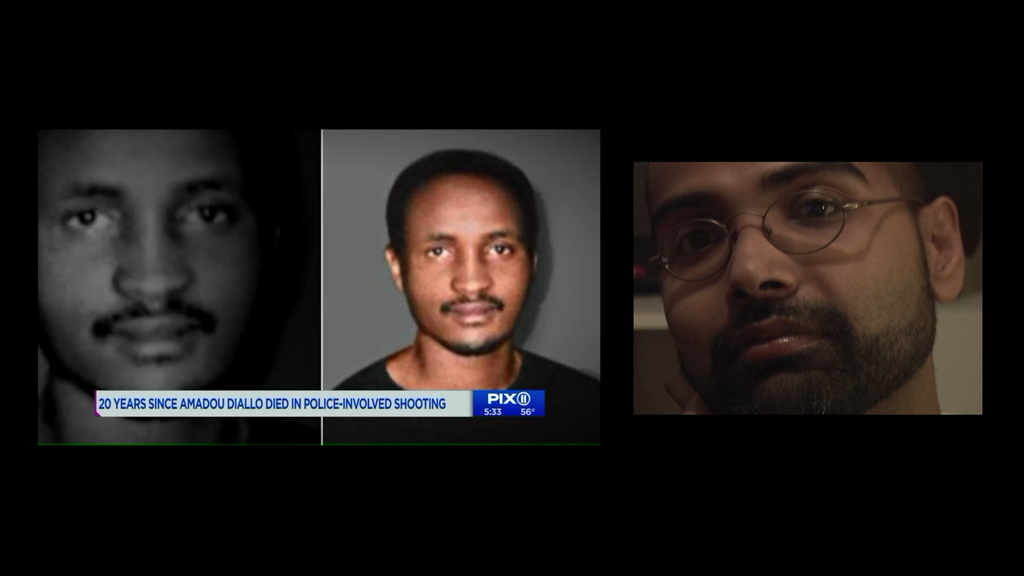
The film moves through time the way memory does, in fragments, repetitions and sudden returns. It follows Debanuj through the years after he arrived in the city undocumented, when work was hard to find, racism and police brutality were part of the daily weather, and a stint in immigration detention made the stakes of belonging impossible to ignore. Obviopusly, very little has changed about New York. But around Debanuj, a web of queer friendships forms and holds. These are the people who share meals, apartments and fear, and who turn a hostile city into something closer to home. All of it unfolds before Trump’s second term, in the long years when the machinery of detention and deportation was already at work.
Because the filmmaker’s own life as an immigrant mirrors Debanuj’s in so many ways, the camera is never neutral. It is an act of care, a way of staying close, and eventually a form of healing. The film is both a love letter to Debanuj and to a friendship that outlasted every obstacle, and a testament to the therapeutic power of storytelling.